
Lesson 7: Route Structuring — Preparing for Optimization
Learn how to organize routes correctly before assigning and optimizing deliveries.
Why Route Structure Matters
Route optimization tools only work properly when routes are built logically first. Strong route structure improves delivery speed, reduces wasted miles, improves driver consistency, and creates better customer outcomes.
Step 1: Review Existing Routes
Start by reviewing all active routes currently in the system.
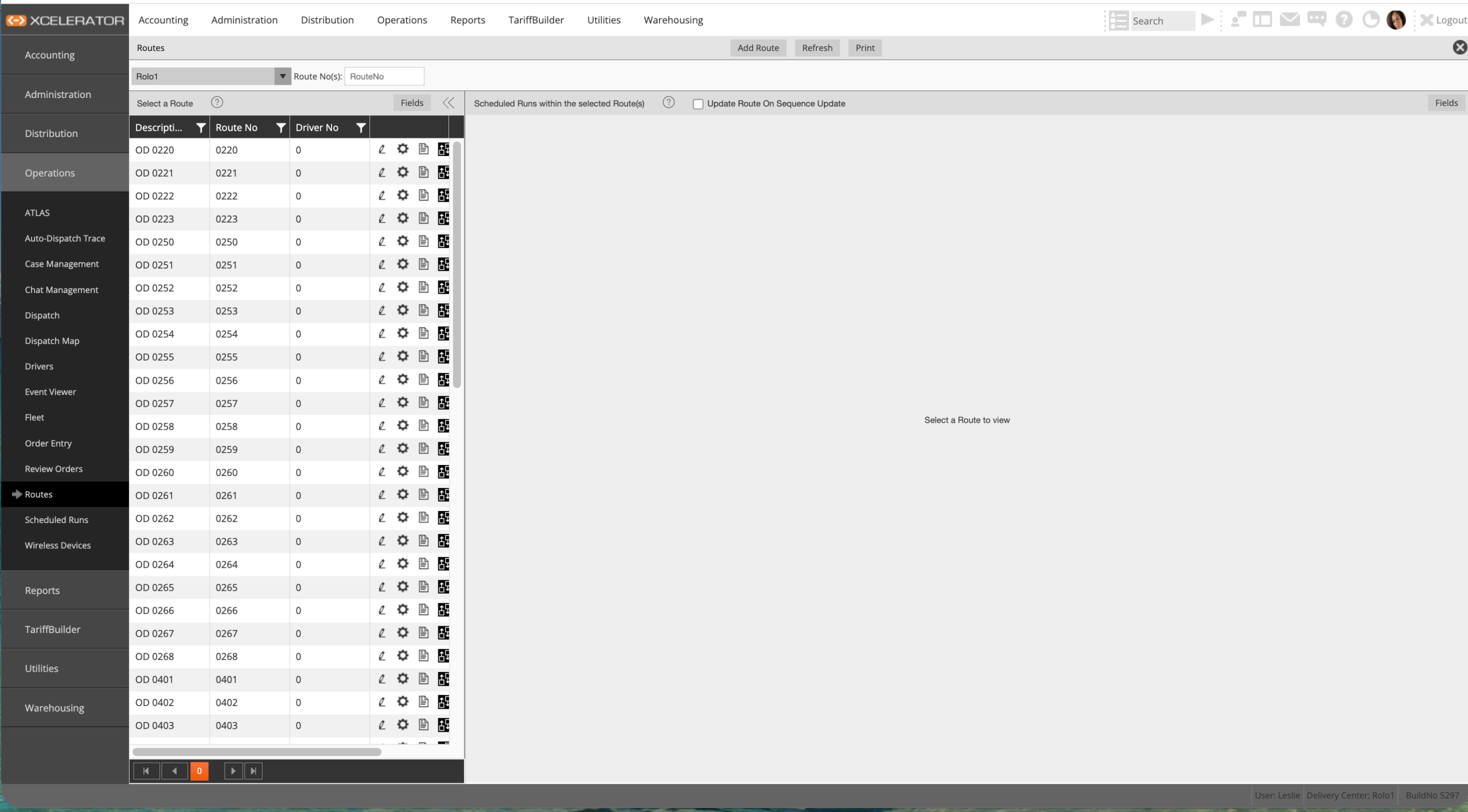
- Identify active routes
- Check route naming consistency
- Look for duplicate or unused routes
- Review geographic coverage
Step 2: Organize Routes by Geography
Routes should follow geographic logic and natural delivery flow.
- Group deliveries by city, zone, or corridor
- Avoid mixing distant service areas
- Keep stops geographically tight
- Reduce unnecessary overlap between routes
West Palm Beach Route
Broward Medical Route
Miami Final Mile Route
Palm Beach White Glove Route
Step 3: Use Clear Route Naming Standards
Routes should be easy for dispatchers, managers, and drivers to understand immediately.
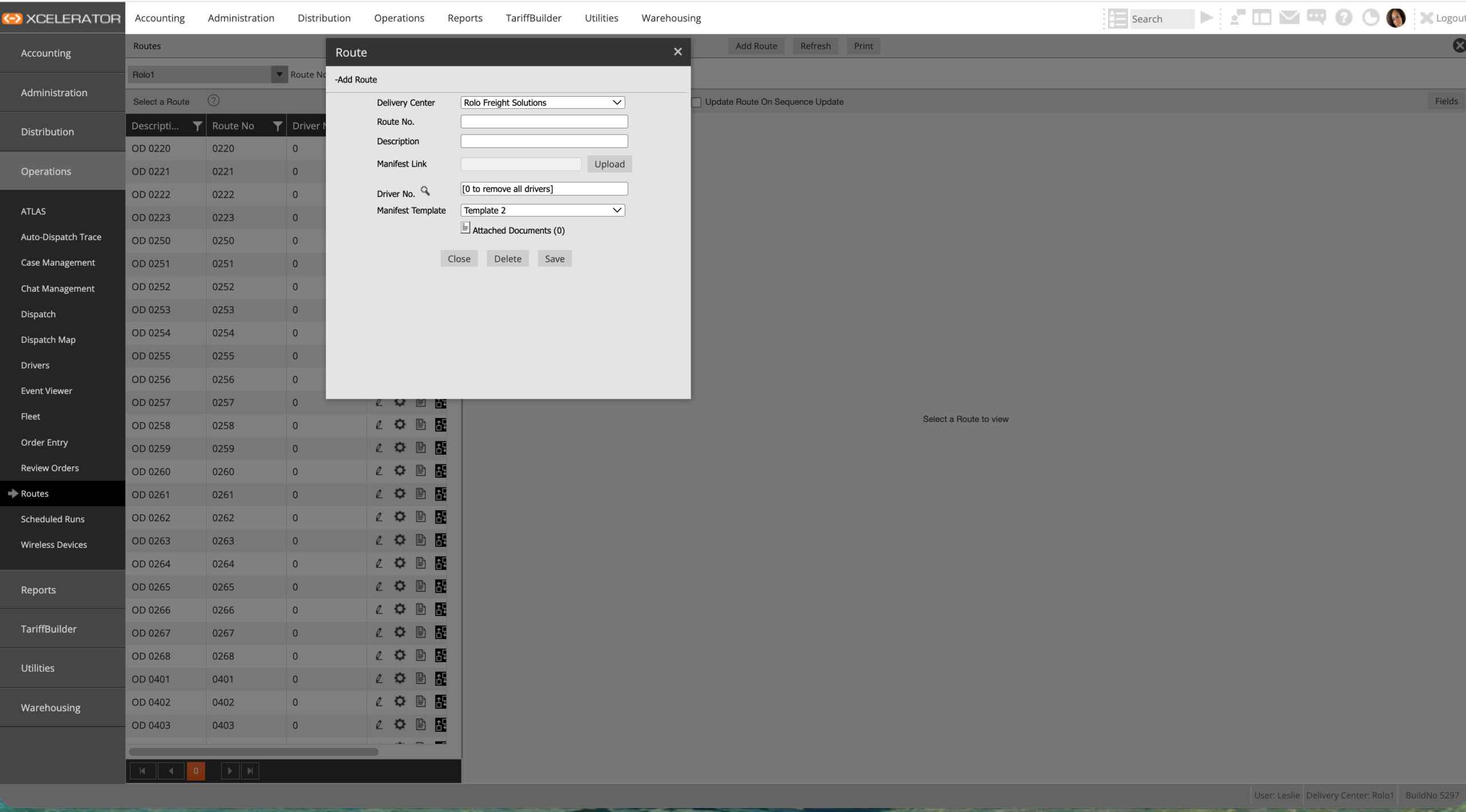
- Use descriptive route names
- Avoid generic labels like “Route 1”
- Keep naming standardized across operations
- Make routes easy to search and recognize
Step 4: Assign Drivers Consistently
Consistent route assignment improves familiarity and delivery performance.
- Keep drivers on familiar routes when possible
- Build driver knowledge of delivery areas
- Reduce confusion and missed stops
- Improve route completion speed
Step 5: Prepare Routes for Optimization
Before optimization begins, routes must already be clean and operationally logical.
- Ensure routes are geographically clean
- Balance workload across drivers
- Reduce route overlap
- Prevent overloaded or underloaded routes
- Review stop distribution before dispatching
Optimization tools cannot fix broken route structure. Clean route setup must happen first.
Operational Best Practices
- Review routes regularly
- Adjust routes as service areas evolve
- Keep route logic simple and scalable
- Minimize unnecessary driver crossover
- Build repeatable route systems
Common Mistakes
- Creating random routes without geographic planning
- Mixing multiple cities into one route
- Using unclear naming conventions
- Changing route structure daily without reason
- Ignoring driver familiarity and consistency
Success Check
You should now be able to:
- Review and evaluate route structure
- Organize routes geographically
- Create clean route naming standards
- Assign drivers consistently
- Prepare routes for optimization
- Identify inefficient route design