
Build stronger teams.
Develop the people
who move the work forward.
LC Career Center helps organizations strengthen leadership, communication, customer experience, workplace culture, and employee capability through structured learning systems designed around the realities of work.
Stronger organizations are built through stronger people systems.
Leadership development works best when it is connected to the broader workforce environment—how people communicate, serve customers, work together, manage change, build trust, and perform across roles and teams.
Leadership & Management
Strengthen decision-making, accountability, people leadership, team development, and the practical skills required to lead work effectively.
Workplace Communication
Improve professional communication, collaboration, interpersonal effectiveness, and the quality of communication across teams and roles.
Customer Service & Experience
Develop service capability, communication standards, customer confidence, and consistent experiences across client-facing environments.
Workplace Culture & Performance
Build stronger team environments by connecting expectations, collaboration, engagement, and performance to the way work is actually done.
Employee Wellbeing & Resilience
Support sustainable performance through practical learning around resilience, stress management, workplace wellbeing, and healthy work practices.
Workforce Capability Development
Connect learning across roles and functions so organizations can build capability systematically rather than relying on disconnected training events.
Leadership capability changes by environment. The need for strong people systems does not.
Teams operate differently across healthcare, business, logistics, manufacturing, community organizations, education, and other workforce environments. Effective development begins by understanding those differences—then building learning around the work people actually do.
Context matters.
Leadership, communication, service, and team-development needs should reflect the environment in which employees actually work.
Capability should connect across roles.
Workforce learning becomes stronger when supervisors, employees, trainers, and leaders are developing within a connected system.
The solution should remain adaptable.
Learning architecture should support changing priorities, workforce structures, operating environments, and organizational growth.
That is what makes a learning ecosystem useful across industries: the architecture stays intentional while the experience reflects the workforce it is built to support.
Build stronger leaders. Build stronger workforce capability.
Whether the need is supervisor development, leadership pathways, communication, customer experience, workforce learning systems, or a custom organizational initiative, the conversation starts with understanding the challenge.
Workforce development becomes stronger when leadership learning is built as a system.
Leadership capability is rarely created through one workshop or one course. Stronger development systems connect organizational priorities, role expectations, learning pathways, manager support, applied practice, and continuous improvement.
Define the capability the organization needs.
Clarify workforce priorities, leadership expectations, performance needs, learner populations, and the organizational outcomes the development effort should support.
Design the development pathway.
Structure leadership competencies, learning sequences, applied experiences, communication skills, manager development, and progression across levels of responsibility.
Build the structure behind the learning.
Create repeatable processes, development resources, role expectations, learning standards, support tools, and documentation that make the experience usable across teams.
Prepare people to apply what they learn.
Equip employees, supervisors, managers, facilitators, and internal leaders with the guidance and opportunities required to practice, reinforce, and transfer capability into the workplace.
Improve the system as workforce needs evolve.
Review learner experience, manager feedback, organizational priorities, performance needs, and changing workforce conditions to strengthen development over time.
A leadership-development system people can grow through—not another isolated training event.
The goal is a development environment that helps employees build capability over time, gives managers a clearer way to support growth, and allows organizations to strengthen leadership capacity across roles.
Build the development system your workforce actually needs.
The work can begin with a specific leadership challenge or expand into a broader workforce-development architecture. The structure is shaped around the organization, its people, and the capability it needs to build.
Leadership Development Architecture
Build structured development pathways that connect emerging leaders, supervisors, managers, and experienced leaders across levels of responsibility.
Related Focus Areas
- Leadership Pathways
- Manager Development
- Role Progression
Supervisor & Manager Development
Strengthen the practical capabilities people need when responsibility expands—from communication and delegation to accountability, coaching, decision-making, and team leadership.
Related Focus Areas
- New Supervisors
- People Management
- Team Leadership
Communication & Service Culture
Align communication, collaboration, service expectations, and customer experience with the behaviors the organization wants employees to demonstrate in real work.
Related Focus Areas
- Communication
- Customer Experience
- Collaboration
Internal Trainer Development
Prepare subject-matter experts, team leaders, and internal trainers to facilitate learning more effectively and reinforce capability within the organization.
Related Focus Areas
- Train-the-Trainer
- Facilitation
- Learning Transfer
Workforce Learning Systems
Connect development programs, learning resources, role expectations, internal processes, and reinforcement into a more coherent workforce learning structure.
Related Focus Areas
- Learning Infrastructure
- Development Systems
- Workforce Capability
Custom Workforce Initiatives
Design focused learning initiatives around organizational change, performance priorities, workforce transitions, new responsibilities, or emerging capability needs.
Related Focus Areas
- Custom Programs
- Upskilling
- Organizational Change
The starting point may be a program. The larger opportunity is building a development structure the organization can continue to use, reinforce, and grow.



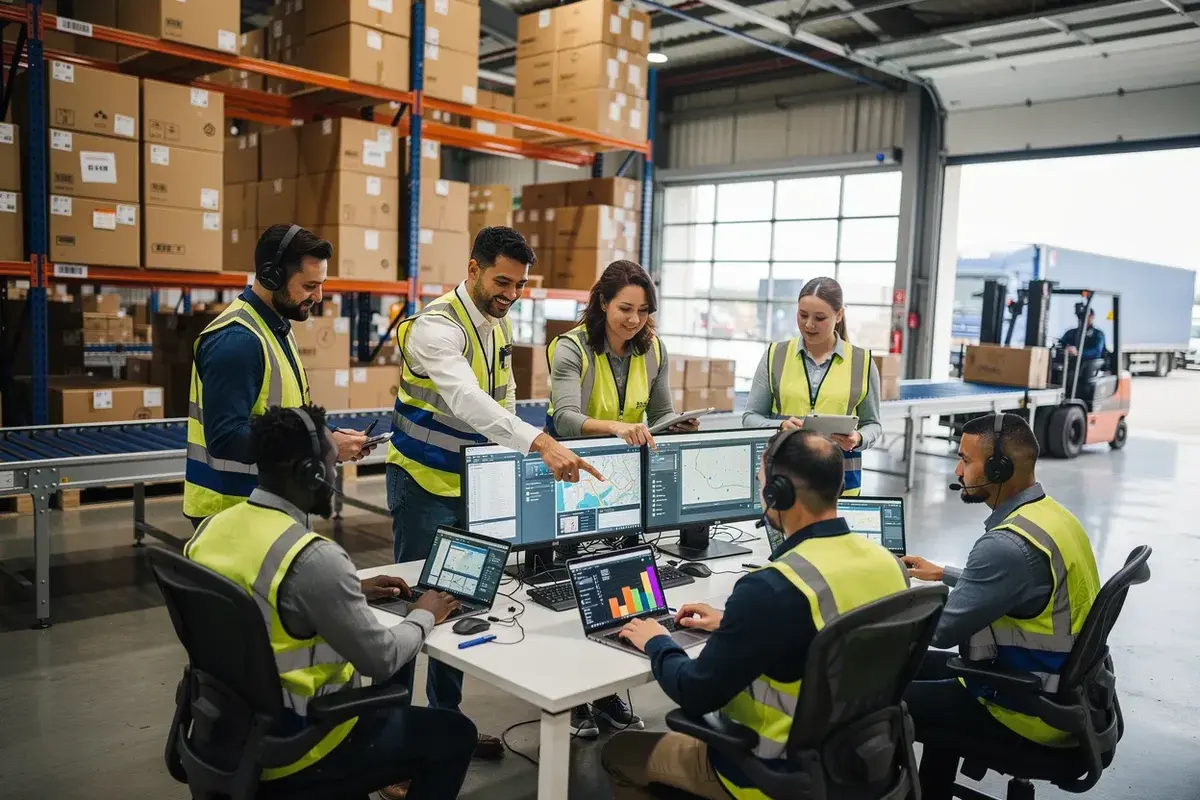
Learning should not stop when the training ends.
The value of workforce development appears in what people are able to do differently afterward—how they communicate, lead, collaborate, solve problems, support others, and respond to the realities of their work.
Apply
Give people opportunities to use new skills within the responsibilities and situations they actually encounter.
Reinforce
Support development through managers, resources, expectations, practice, and continued learning—not a single point-in-time event.
Grow
Create pathways that allow capability to deepen as employees take on new responsibilities and move through the organization.
We look at the workforce need, organizational context, and the challenge you are trying to solve.
The conversation considers learning, leadership, performance, reinforcement, and the surrounding work environment.
If there is a strong fit, we identify an appropriate path for moving the conversation forward.
