Empowering Growth Across Industries.
Training. Technology. Strategy. Impact.
Cross-sector learning solutions designed to advance people, strengthen organizations, and create measurable, sustainable impact.
Turn complex learning and workforce challenges into practical systems people can use.
LC Career Center helps organizations design learning ecosystems, workforce programs, digital experiences, and implementation pathways that connect strategy with how people actually learn, work, and perform.
Whether the need is to modernize an existing learning environment, build a new capability, strengthen workforce pathways, improve knowledge transfer, or solve a complex performance challenge, the work begins with the operating need—not a predetermined platform, tool, or deliverable.
The result is a learning environment with clearer pathways, stronger connections between learning and performance, and infrastructure designed to remain useful as organizational needs evolve.
People understand what to learn, where to find it, and how it supports the work they are expected to perform.
Learning, support, workflow, and implementation are designed as connected parts of the same operating system.
Systems are structured to be maintained, expanded, and improved as organizational needs evolve.
Tell us what your organization needs.
Share your learning, workforce, or performance challenge. We’ll follow up to explore the right next step together.
Strategic support across the learning ecosystem.
Engagements can address one defined challenge or connect multiple workstreams into a broader learning, workforce, and performance system.
Learning & Curriculum Architecture
Design onboarding, upskilling, technical training, learning pathways, assessments, and applied learning around the capabilities people need to perform.
What This Includes
- Curriculum Architecture
- Learning Pathways
- Technical Training
Learning Ecosystems & Infrastructure
Design the architecture, governance, user journeys, learning operations, content structure, and infrastructure supporting a connected learning experience.
What This Includes
- Learning Infrastructure
- Governance
- User Journeys
Workforce Enablement
Build role readiness, career pathways, transition support, facilitator capability, performance reinforcement, and adoption around real workforce requirements.
What This Includes
- Role Readiness
- Career Pathways
- Adoption & Reinforcement
Digital Learning Development
Transform complex information into structured, accessible digital learning through multimedia, scenarios, interactive experiences, and practical resources.
What This Includes
- Multimedia Learning
- Scenario-Based Practice
- Interactive Content
Performance Support & Knowledge Resources
Create SOPs, job aids, process guidance, quick-reference resources, and knowledge systems that extend learning into the moments where performance happens.
What This Includes
- SOPs
- Job Aids
- Knowledge Transfer
Strategic Consulting & Implementation
Clarify the challenge, architect the response, align stakeholders, establish implementation priorities, and support the work through launch, adoption, and refinement.
What This Includes
- Strategy
- Implementation Planning
- Optimization
A clear process. A practical path forward.
Every engagement begins with understanding the challenge, the people affected by it, and the environment where the solution must work. From there, the work moves deliberately from strategy and architecture into implementation, adoption, measurement, and continuous improvement.
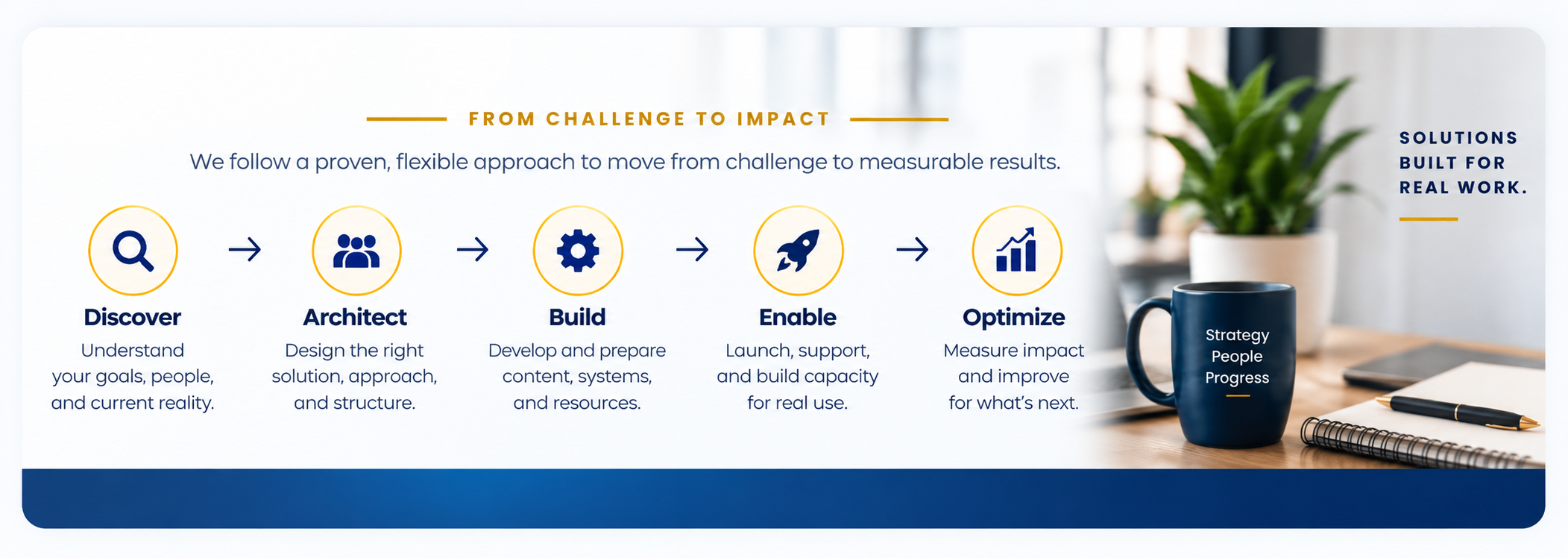

Scope, sequence, pace, and level of support adapt to the organization, audience, performance need, and operating environment.
What we help organizations build. What changes when the system works.
Services are shaped around the organization, workforce, operating environment, and performance challenge—not a predetermined platform or delivery format.
Onboarding & Role Readiness Systems
Connected pathways bringing together role expectations, learning, practice, resources, manager support, and performance milestones.
People understand what good performance looks like, where support lives, and how to move toward readiness.
Upskilling & Workforce Development Programs
Structured learning pathways connecting skills, role requirements, career development, applied practice, and workforce needs.
Development becomes easier to understand, navigate, support, and connect to real capability needs.
Technical & Operational Training
Practical learning, decision practice, process training, job aids, SOP support, and resources built around how the work actually happens.
Teams gain clearer guidance, more consistent support, and resources aligned to real tasks and decisions.
Learning Infrastructure & Governance
Information architecture, standards, workflows, ownership, governance, support models, and operating practices that hold learning together.
Teams gain clearer structures, ownership, and operating practices for maintaining and evolving the system.
Curriculum Architecture & Learning Experience Design
Learning journeys, curriculum structures, assessments, practice opportunities, instructional resources, and delivery experiences designed around performance needs.
Learners move through a clearer progression from understanding to practice, application, and performance.
The goal isn’t more training. It’s a learning system that makes the right performance easier.
Engagements can be structured around the level of support your organization needs.
Some organizations need a focused deliverable with a defined outcome. Others need strategic support embedded across a larger initiative. The engagement model flexes around the work.
Project-Based
A defined challenge, scope, timeline, and outcome with focused strategy, architecture, design, development, or implementation.
Embedded Collaboration
Strategic or specialized capacity working alongside internal teams to advance a larger learning, workforce, or implementation initiative.
Strategy Through Build
End-to-end support connecting discovery, architecture, design, development, implementation, adoption, and ongoing refinement.
Each engagement can draw on the strategy, specialized expertise, production capacity, collaboration, and implementation support appropriate to the scope—without forcing every organization into the same delivery model.
You do not need to know the exact service before starting the conversation.
Bring the challenge, current state, or outcome your organization is trying to reach. We can identify the most useful starting point and determine what kind of support makes sense.
Real work. Systems built around real needs.
Selected engagements show how learning strategy becomes practical infrastructure, workforce pathways, operational support, and performance-focused learning experiences.
LC Career Center LMS
Designed and launched a connected learning environment supporting workforce development, digital learning, learner access, and ongoing program delivery.
Need → Build → Enable
Create a scalable environment to organize learning, improve access, and support multiple workforce and education pathways.
What Was BuiltLearning architecture, course organization, learner pathways, content structure, operational workflows, and support infrastructure.
What It EnabledClearer access, stronger organization, and infrastructure designed to grow with changing program needs.
Healthcare Certification Programs
Developed healthcare training and certification pathways connecting technical instruction, credential preparation, career readiness, and workforce opportunity.
Need → Build → Enable
Help learners build job-relevant healthcare skills while preparing for recognized certification and employment pathways.
What Was BuiltHealthcare learning pathways, technical curriculum, certification preparation, readiness resources, and learner-support components.
What It EnabledA clearer bridge between training, credential preparation, workforce readiness, and career opportunity.
ROLO Operational Learning System
Built an operational learning system designed to support onboarding, role readiness, consistency, safety, and day-to-day performance across distributed teams.
Need → Build → Enable
Standardize critical operational knowledge while giving employees practical guidance they could use in real work.
What Was BuiltRole-based training, onboarding pathways, operational resources, performance support, and structured learning.
What It EnabledMore consistent preparation, clearer operational guidance, and a system designed to support performance at scale.
Enterprise Training & Performance Enablement
Designed practical learning and performance-support solutions for complex organizational environments where consistency, clarity, and usability matter.
Need → Build → Enable
Translate procedures, compliance requirements, operational expectations, and role-specific knowledge into usable support.
What Was BuiltStructured digital learning, process guidance, job aids, role-specific resources, and performance-support materials.
What It EnabledClearer access to critical information and stronger support for applying knowledge consistently in the flow of work.
Explore additional learning systems, workforce programs, digital learning, performance support, and organizational infrastructure.
Strategy strengthened by experience behind the solution.
Consulting recommendations are informed by direct experience across healthcare, education, workforce development, curriculum architecture, digital learning, implementation, and organizational operations.
The value is not simply in holding credentials or professional affiliations. It is in knowing how specialized knowledge, learning architecture, workforce realities, operating constraints, and implementation requirements come together to create systems people can actually use.
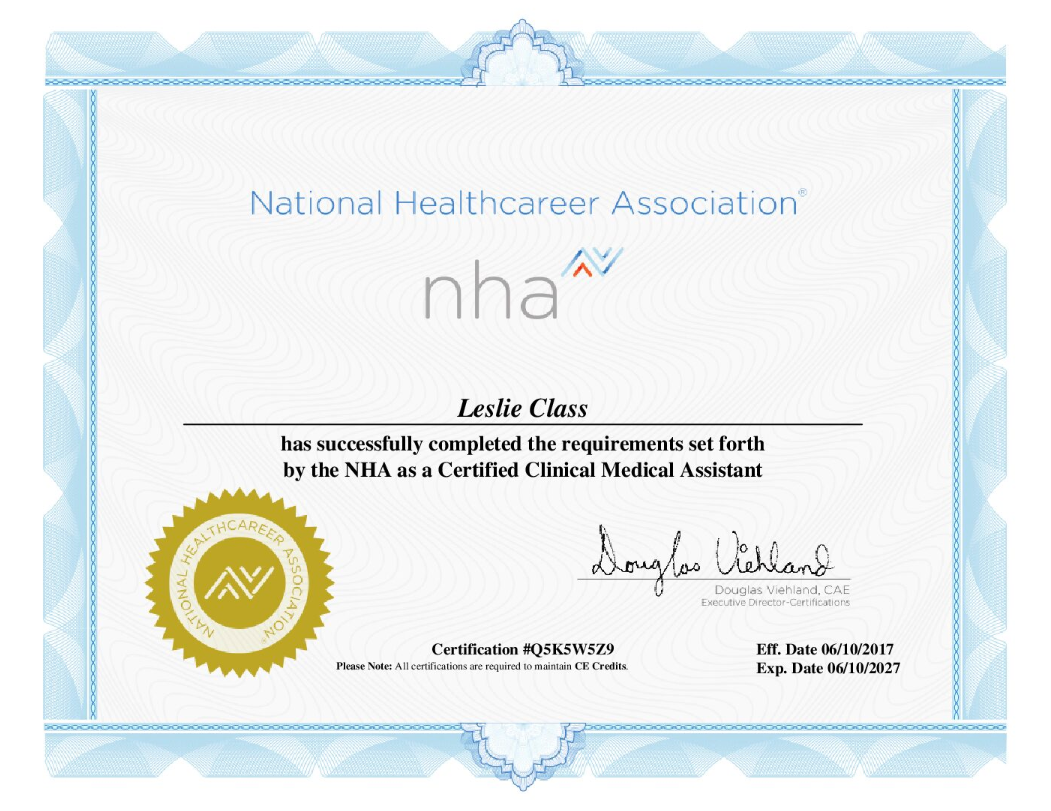
Certified Clinical Medical Assistant
Clinical experience informing healthcare education, workforce readiness, role preparation, and applied learning design.
How this informs the work
Direct clinical context strengthens decisions around learner readiness, skills practice, role expectations, performance support, and healthcare training environments.
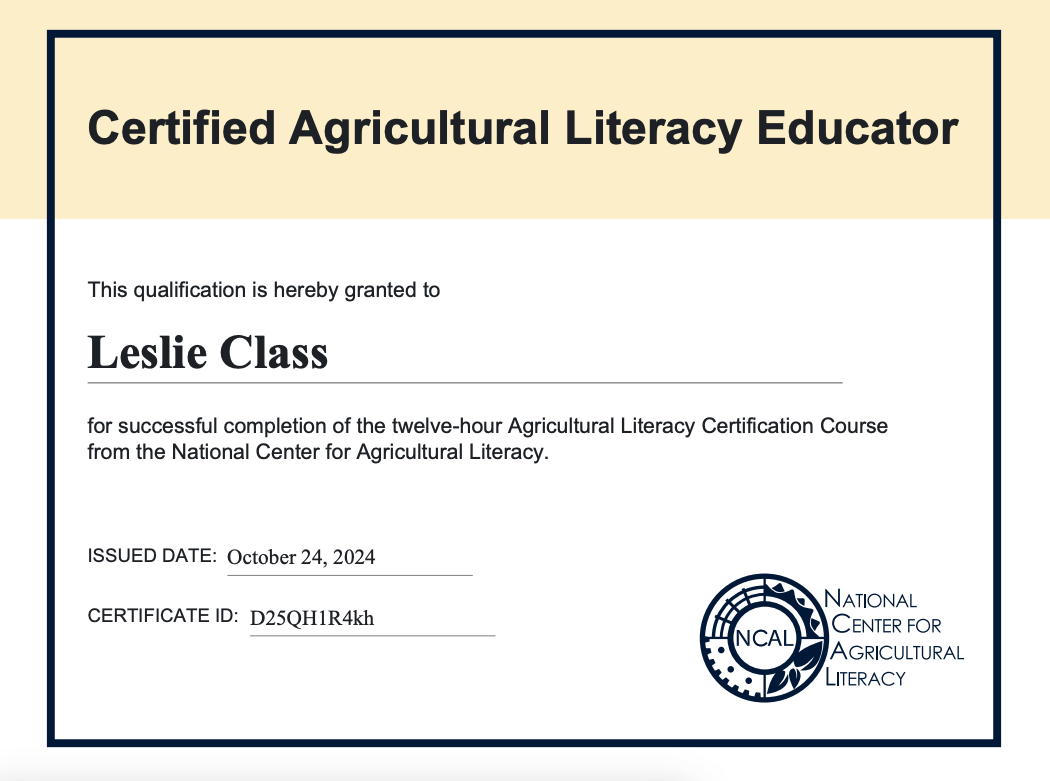
Certified Agricultural Literacy Educator
Demonstrates instructional range and the ability to translate specialized subject matter into practical learning.
How this informs the work
Reinforces the ability to organize unfamiliar or complex information into meaningful learning experiences while preserving depth and accuracy.
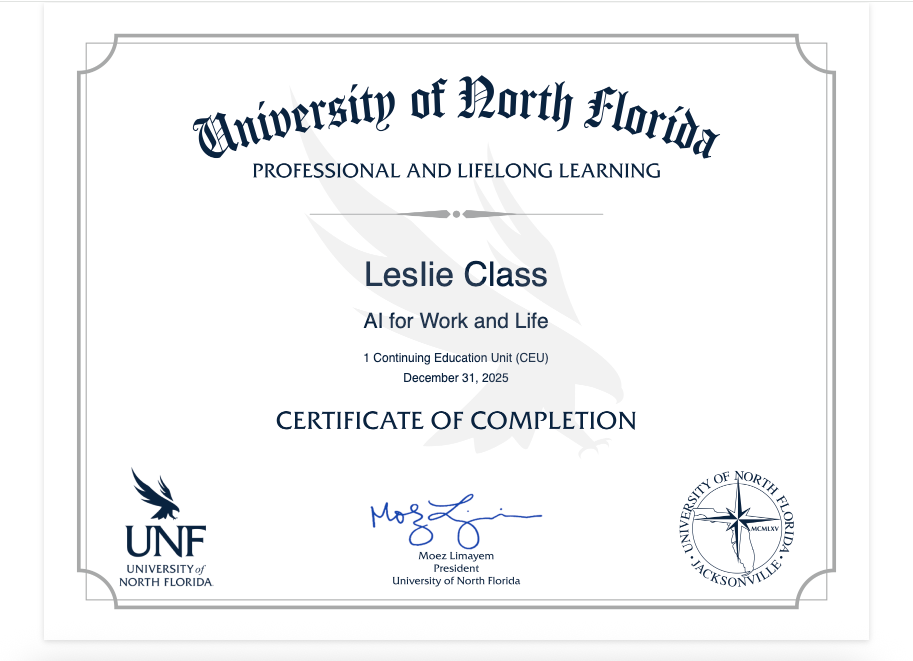
AI for Work + Home Life
Continued development in AI and digital tools supporting research, workflows, analysis, and learning environments.
How this informs the work
Supports responsible use of emerging tools to improve research, workflow efficiency, content development, analysis, and technology-enabled learning systems.
Perspective shaped by real operating environments.
Healthcare, workforce, community, and organizational environments continue to inform how learning ecosystems are designed for implementation, adoption, and sustained use.
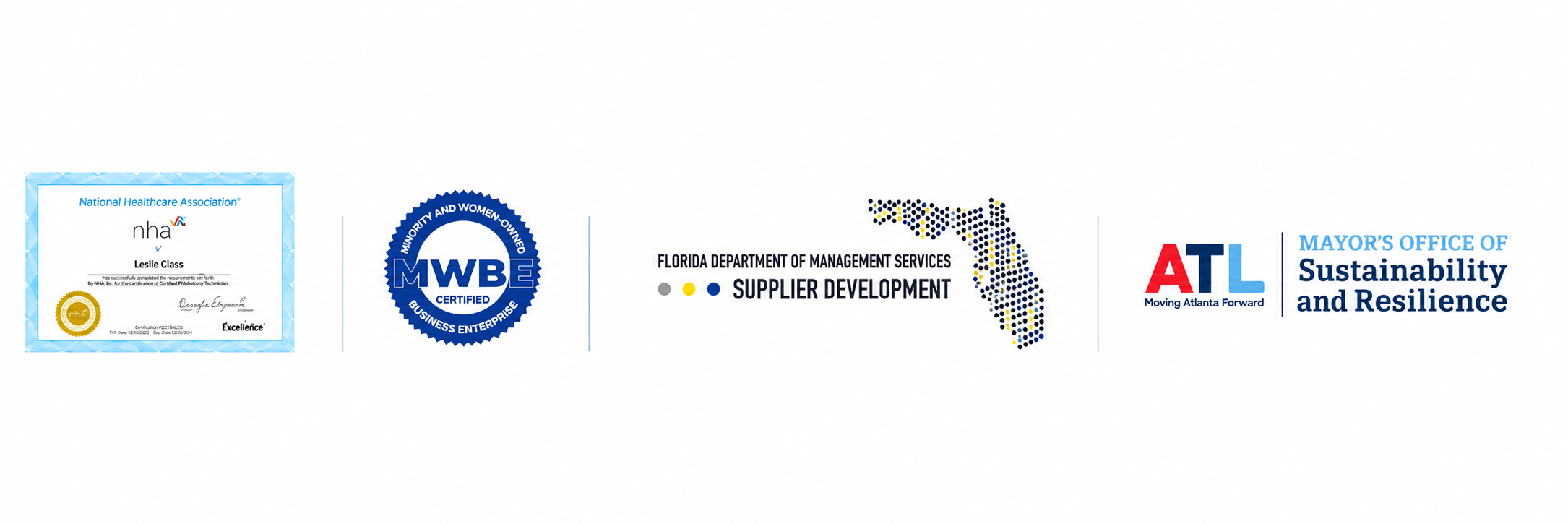
Professional foundations behind the practice and the business.
Professional certifications and supplier-diversity affiliations provide additional context around professional standards, business infrastructure, and organizational relationships supporting LC Career Center.
A professional journey recognized beyond individual engagements.
Founder features, community coverage, television, entrepreneurial media, and radio recognition provide additional context around the experience, mission, and work behind LC Career Center.
Explore the Founder Story
What partners say when strategy moves into practice.
The strongest evidence of the work is not another description of the service. It is what clients, collaborators, and organizational partners say after ideas move into implementation.
Explore More Results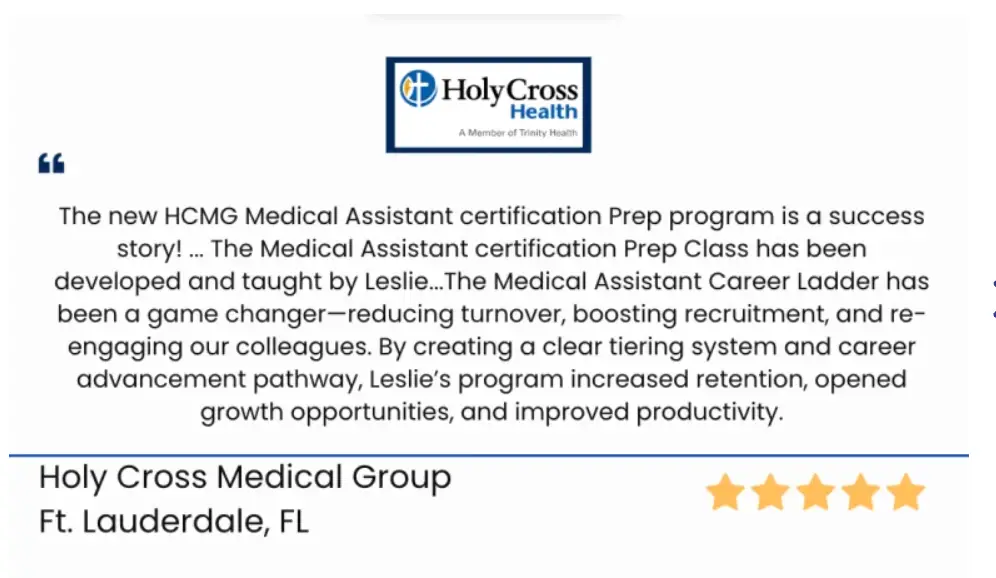
Common questions about learning systems, delivery, and implementation.
Every organization has a different operating environment, audience, infrastructure, and performance challenge. These answers provide a practical starting point for understanding how LC Career Center approaches learning ecosystems, digital learning, implementation, and sustained performance support.
What is a Learning Management System?
A learning management system is one component of a broader learning ecosystem. It can organize, deliver, track, and support learning, but the technology itself does not create an effective learning system. Curriculum, user experience, governance, workflow, support, content, and implementation must work together around the organization’s needs.
How are digital learning experiences delivered?
Digital learning can be self-paced, instructor-led, live virtual, asynchronous, blended with onsite instruction, incorporated into a structured learning pathway, or delivered as performance support within the flow of work. The delivery model should reflect the audience, performance expectations, subject matter, infrastructure, and need for practice, feedback, interaction, or reinforcement.
What does a well-designed learning system improve?
A well-designed learning system can create a more consistent learner experience, make resources easier to find, strengthen knowledge transfer, improve role readiness, reduce repeated manual explanation, and make learning easier to maintain and expand.
How do learners engage in digital experiences?
Engagement is designed around the work learners need to perform. Depending on the need, experiences can include scenarios, guided practice, decision-making, reflection, demonstrations, assessments, multimedia, feedback, job aids, and performance resources.
Why is collaborative learning important?
Collaborative learning can strengthen shared understanding, knowledge transfer, problem solving, reflection, role readiness, and adoption—especially when learning must move from individual understanding into coordinated work.
How long should a learning experience take?
Length should follow the performance requirement, not an arbitrary course duration. Some needs are best served by a short job aid or focused module; others require progressive practice, facilitated learning, reinforcement, or a longer development pathway.
Do you offer pilots, prototypes, or phased engagements?
Yes. Work can begin with discovery, a pilot, prototype, priority workstream, or defined phase. This allows organizations to validate direction, create momentum, and determine what should scale next.
What is included in project fees?
Scope and fees are tied to the work required. Depending on the engagement, that may include discovery, strategy, architecture, design, development, stakeholder collaboration, implementation planning, documentation, testing, launch support, and refinement.
What kind of implementation support is available?
Support can extend beyond strategy and design into launch planning, stakeholder alignment, facilitator support, adoption, documentation, workflow development, governance, performance support, and continuous improvement.
Can LC Career Center support work outside a listed service?
Yes. The listed services describe common areas of work, not rigid boundaries. If the challenge involves learning, workforce capability, curriculum, implementation, knowledge transfer, learning infrastructure, performance support, or organizational enablement, the best starting point is a conversation about the need.
What does your organization need people to do better?
Start with the performance need—not a predetermined course, platform, or deliverable. From there, we can determine the learning ecosystem, infrastructure, content, workflow, and support the organization actually needs.
